The Best Companion Plants For Bitter Gourd
The Best Companion Plants for Bitter Gourd
Bitter gourd, also known as karela, is a tropical and subtropical vine crop that is grown for its edible fruit. It is a good source of vitamins A and C, as well as fiber. Bitter gourd can be eaten cooked or raw, and it has a number of health benefits, including lowering blood sugar levels, reducing cholesterol, and boosting the immune system.
When growing bitter gourd, it is important to choose the right companion plants. Companion planting is the practice of planting different types of plants together in order to benefit each other. There are a number of companion plants that are good for bitter gourd, including:
- Beans: Beans are nitrogen-fixing plants, which means they add nitrogen to the soil. This is beneficial for bitter gourd, as it helps to improve the soil quality and the growth of the plant.
- Peas: Peas are also nitrogen-fixing plants, and they can help to attract pollinators to the garden.
- Squash: Squash can help to suppress weeds and pests, and it can also provide shade for bitter gourd.
- Aromatic herbs: Aromatic herbs, such as basil, mint, and cilantro, can help to repel pests and attract pollinators.
- Marigolds: Marigolds are known for their insect-repelling properties, and they can help to keep pests away from bitter gourd.
In addition to these plants, there are a number of other companion plants that can be beneficial for bitter gourd. Some of these include:
- Cucumbers: Cucumbers and bitter gourd can be grown together, as they have similar growing requirements.
- Pumpkins: Pumpkins can also be grown with bitter gourd, and they can help to suppress weeds.
- Lettuce: Lettuce can be grown as a groundcover around bitter gourd, and it can help to prevent soil erosion.
- Carrots: Carrots and bitter gourd can be grown together, as they have different root systems and will not compete for resources.
When choosing companion plants for bitter gourd, it is important to consider the plant's growing requirements, as well as the benefits that the plants can provide for each other. By planting the right companion plants, you can help to improve the growth and yield of your bitter gourd plants.
[MAIN CONTENT]
Benefits of Companion Planting
There are a number of benefits to companion planting, including:
- Improved soil quality: Companion plants can help to improve the soil quality by adding nutrients, suppressing weeds, and attracting beneficial insects.
- Increased crop yield: Companion planting can help to increase crop yield by providing support, attracting pollinators, and deterring pests.
- Disease and pest control: Companion plants can help to control pests and diseases by attracting beneficial insects, providing shade, and suppressing weeds.
How to Choose Companion Plants
When choosing companion plants, it is important to consider the following factors:
- The plant's growing requirements: The plants should have similar growing requirements, such as sunlight, water, and soil pH.
- The benefits that the plants can provide for each other: The plants should provide benefits for each other, such as attracting pollinators, suppressing weeds, or improving soil quality.
- The plant's appearance: The plants should complement each other's appearance, so that the garden looks attractive.
How to Plant Companion Plants
When planting companion plants, it is important to follow these steps:
- Choose a sunny spot in the garden.
- Prepare the soil by adding compost or manure.
- Plant the companion plants according to their spacing requirements.
- Water the plants regularly.
Conclusion
Companion planting is a great way to improve the growth and yield of your bitter gourd plants. By planting the right companion plants, you can help to suppress weeds, attract pollinators, deter pests, and improve the soil quality. With a little planning, you can create a beautiful and productive garden that is full of healthy plants.
Bitter gourd is a versatile and delicious vegetable that can be grown in many different climates. But did you know that there are certain plants that can help bitter gourd grow even better? These are known as companion plants, and they can provide a number of benefits, such as attracting pollinators, deterring pests, and improving soil health.
Some of the best companion plants for bitter gourd include:
- Beans: Beans are nitrogen-fixing plants, which means they can help to improve the soil quality for bitter gourd.
- Peas: Peas are also nitrogen-fixing plants, and they can help to suppress weeds.
- Pumpkins: Pumpkins can help to shade the soil around bitter gourd, which can help to keep it cool and moist.
- Squash: Squash can also help to shade the soil, and they can help to attract pollinators.
Of course, there are also some plants that should not be planted near bitter gourd. These include:
- Potatoes: Potatoes can compete with bitter gourd for nutrients.
- Herbs: Some herbs, such as mint and basil, can actually inhibit the growth of bitter gourd.
If you're interested in learning more about bitter gourd companion plants, I recommend visiting Gardenia Inspiration. This website has a wealth of information on the topic, including a list of recommended companion plants, as well as tips on how to plant and care for bitter gourd.
FAQ of bitter gourd companion plants
1. What are the best companion plants for bitter gourd?
The best companion plants for bitter gourd are those that attract pollinators, such as bees and butterflies. These plants help to improve the pollination rate of the bitter gourd, which leads to a better harvest. Some good companion plants for bitter gourd include:
- Green beans: Green beans are a good companion plant for bitter gourd because they both attract the same pollinators. They also help to shade the soil around the bitter gourd, which helps to keep it cool and moist.
- Peas: Peas are another good companion plant for bitter gourd. They also attract pollinators and help to shade the soil. Additionally, peas can help to fix nitrogen in the soil, which is beneficial for the growth of the bitter gourd.
- Pumpkins: Pumpkins are a good companion plant for bitter gourd because they help to suppress weeds. They also have large leaves that help to shade the soil, which is beneficial for the bitter gourd.
- Other summer squashes: Other summer squashes, such as zucchini and yellow squash, are also good companion plants for bitter gourd. They have similar growing requirements and can help to attract pollinators.
2. What plants should I avoid planting near bitter gourd?
There are a few plants that you should avoid planting near bitter gourd. These plants include:
- Herbs: Most herbs do not fare well near bitter gourd. This is because bitter gourd can release chemicals that inhibit the growth of other plants.
- Potatoes: Potatoes are also not a good companion plant for bitter gourd. This is because they can both be susceptible to the same diseases.
- Cucumbers: Cucumbers are another plant that you should avoid planting near bitter gourd. This is because they can both compete for the same nutrients and water.
3. How do I plant bitter gourd companion plants?
When planting bitter gourd companion plants, it is important to keep the following in mind:
- Plant the companion plants in the same area as the bitter gourd.
- Space the plants appropriately.
- Water the plants regularly.
- Fertilize the plants as needed.
4. What are the benefits of planting bitter gourd companion plants?
There are several benefits to planting bitter gourd companion plants. These benefits include:
- Increased pollination rate
- Improved soil quality
- Suppression of weeds
- Reduced risk of diseases
- Increased yields
5. Where can I find more information about bitter gourd companion plants?
There are several resources where you can find more information about bitter gourd companion plants. These resources include:
- Books: There are several books available on the subject of bitter gourd companion plants. Some good examples include "The Vegetable Gardener's Companion" by Barbara Damrosch and "The Ecology of Vegetable Gardening" by Eliot Coleman.
- Websites: There are also several websites that offer information on bitter gourd companion plants. Some good examples include the websites of the University of California Cooperative Extension and the National Gardening Association.
Image of bitter gourd companion plants
- Green beans: Green beans are a good companion plant for bitter gourd because they help to deter pests. They also have similar growing requirements, so they can be planted together in the same bed.
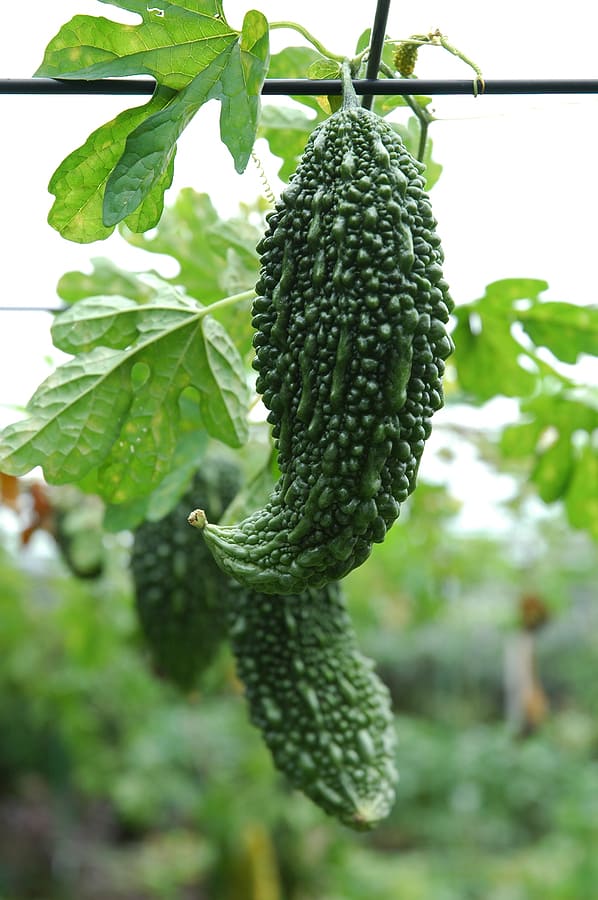
- Peas: Peas are another good companion plant for bitter gourd. They help to fix nitrogen in the soil, which benefits the growth of both plants.
- Pumpkins: Pumpkins are a good companion plant for bitter gourd because they help to shade the soil, which can help to suppress weeds. They also attract pollinators, which can help to improve the fruit production of both plants.

- Other summer squashes: Other summer squashes, such as zucchini and yellow squash, are also good companion plants for bitter gourd. They have similar growing requirements and can help to deter pests.

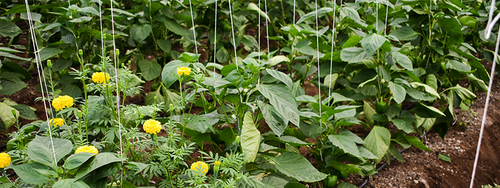
- Marigolds: Marigolds are not technically a companion plant for bitter gourd, but they can be planted nearby to help deter pests. Marigolds have a strong scent that pests don't like, so they can help to keep your bitter gourd plants safe from insects.

Post a Comment for "The Best Companion Plants For Bitter Gourd"