Petite Hydrangeas: The Perfect Smallspace Plant
Petite Hydrangeas: The Perfect Small-Space Plant
Hydrangeas are some of the most popular flowering shrubs in the world, and for good reason. They are beautiful, long-blooming, and relatively easy to care for. But what if you don't have a lot of space in your garden? Don't despair! There are plenty of petite hydrangeas that are perfect for small spaces.
In this blog post, we will discuss the different types of petite hydrangeas, as well as their care requirements. We will also provide some tips on how to choose the right petite hydrangea for your needs.
Types of Petite Hydrangeas
There are many different types of petite hydrangeas, each with its own unique characteristics. Some of the most popular varieties include:
- Limelight: This is a large panicle hydrangea that grows to be about 4 feet tall and wide. It has large, white flowers that bloom in summer and turn pink in fall.
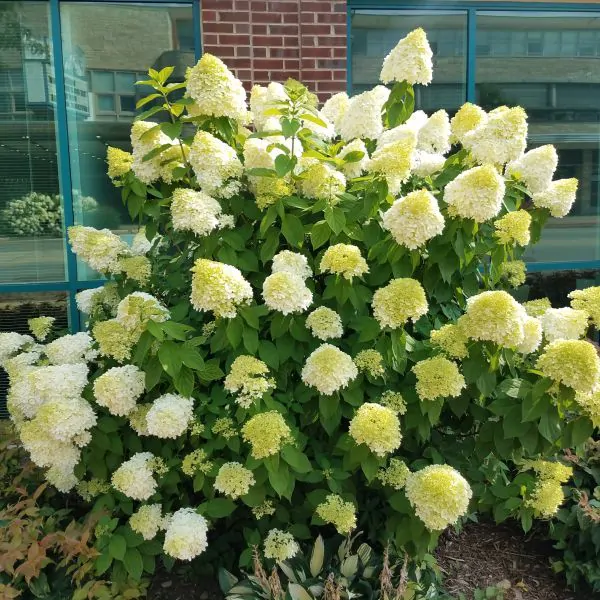
- Little Lime: This is a dwarf version of Limelight. It only grows to be about 2 feet tall and wide, making it a great choice for small gardens.
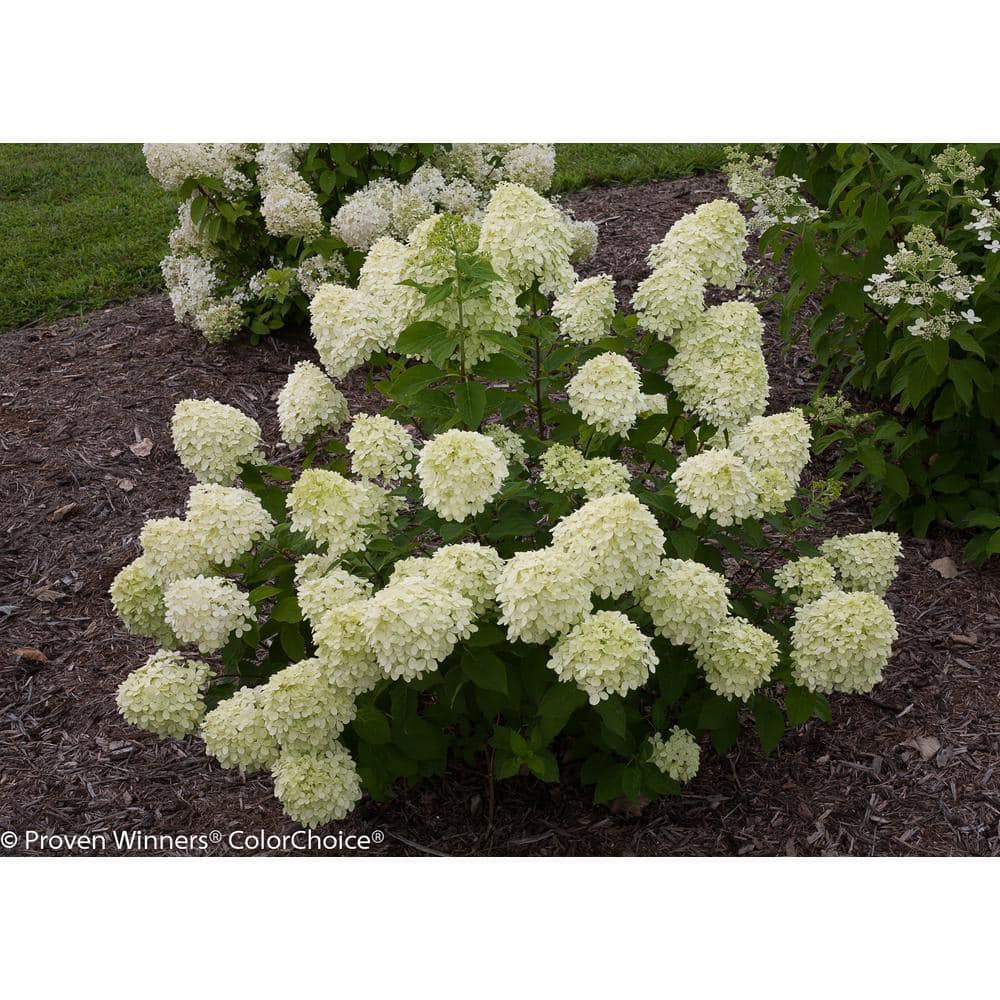
- Incrediball: This is a smooth hydrangea that grows to be about 3 feet tall and wide. It has large, round flowers that bloom in summer and turn pink in fall.
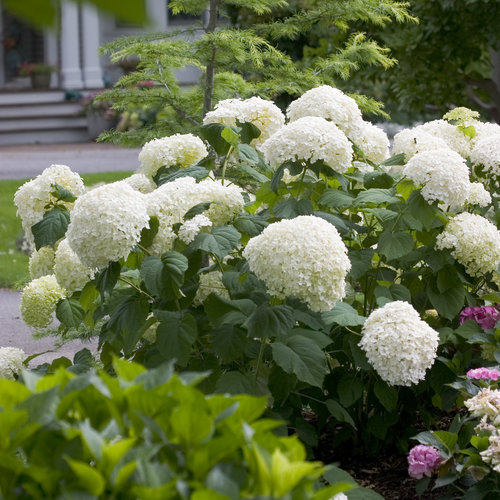
- Bobo: This is a compact panicle hydrangea that grows to be about 3 feet tall and wide. It has large, white flowers that bloom in summer.
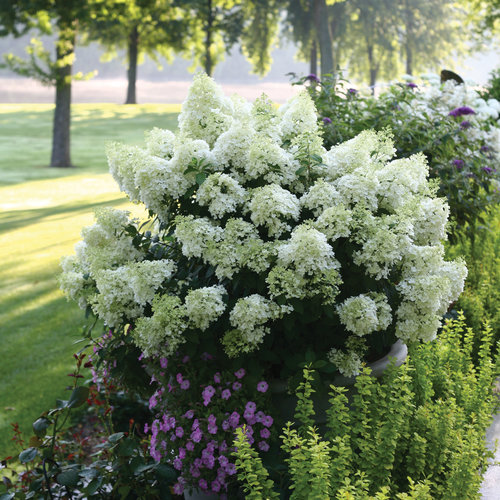
- Pinky Winky: This is a dwarf panicle hydrangea that grows to be about 2 feet tall and wide. It has pink flowers that bloom in summer.
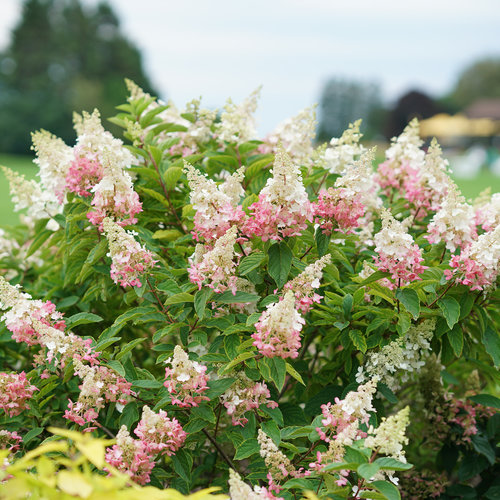
Care Requirements
Petite hydrangeas are relatively easy to care for. They prefer full sun to partial shade, and they need moist, well-drained soil. They should be watered deeply once a week, and they should be fertilized in spring and fall.
Choosing the Right Petite Hydrangea
When choosing a petite hydrangea, there are a few factors you should consider:
- Size: How much space do you have in your garden? Choose a variety that will fit comfortably in your space.
- Color: What color hydrangeas do you prefer? There are many different colors of petite hydrangeas available, so you can find one that matches your taste.
- Bloom time: When do you want your hydrangeas to bloom? Some varieties bloom in summer, while others bloom in fall.
Conclusion
Petite hydrangeas are a great way to add beauty and color to your garden, even if you don't have a lot of space. With so many different varieties to choose from, you're sure to find one that's perfect for you.
Petite hydrangeas are a beautiful and versatile addition to any garden. They are relatively small, making them ideal for smaller spaces, and they come in a variety of colors, so you can find the perfect one to match your garden's style.
If you're interested in learning more about petite hydrangeas, I recommend visiting . This website has a wealth of information about petite hydrangeas, including their care, planting, and propagation. You can also find photos and videos of petite hydrangeas in bloom, so you can get a good idea of what they look like in your garden.
FAQ of petite hydrangea
Q1: What is a petite hydrangea?
A petite hydrangea is a type of hydrangea that is typically smaller than other varieties. They can grow to be 3-6 feet tall and wide, and they have smaller leaves and flowers. Petite hydrangeas are a good choice for small gardens or containers.
Q2: What are the benefits of growing petite hydrangeas?
There are many benefits to growing petite hydrangeas. They are:
- Compact and easy to care for
- Drought tolerant
- Long-blooming
- Available in a variety of colors
- Deer resistant
Q3: How do I care for a petite hydrangea?
Petite hydrangeas are relatively easy to care for. They need full sun to partial shade and well-drained soil. They should be watered regularly, especially during hot, dry weather. Petite hydrangeas also benefit from being fertilized in the spring.
Q4: How do I deadhead a petite hydrangea?
Deadheading is the process of removing spent flowers from a plant. This helps to encourage new blooms and keep the plant looking its best. To deadhead a petite hydrangea, simply pinch off the spent flowers with your fingers.
Q5: What are some common problems with petite hydrangeas?
Some common problems with petite hydrangeas include:
- Leaf spot
- Powdery mildew
- Aphids
- Scale
These problems can be treated with a variety of methods, including:
- Using a fungicide to treat leaf spot
- Using a fungicide or pesticide to treat powdery mildew
- Using insecticidal soap or neem oil to control aphids or scale
Image of petite hydrangea
Little Lime Hydrangea
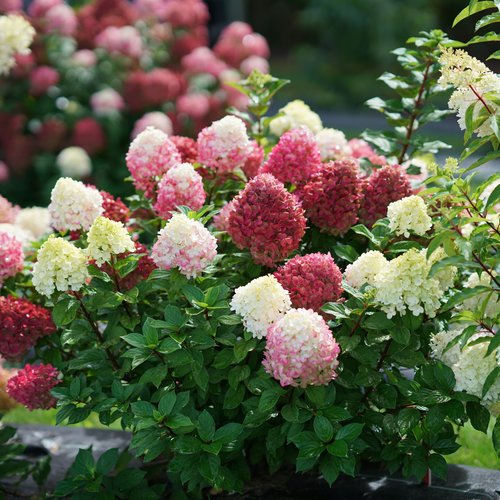 This dwarf hydrangea is known for its lime green flowers that bloom in the summer. It is a compact plant that is perfect for small gardens or containers.
Penny Mac Hydrangea
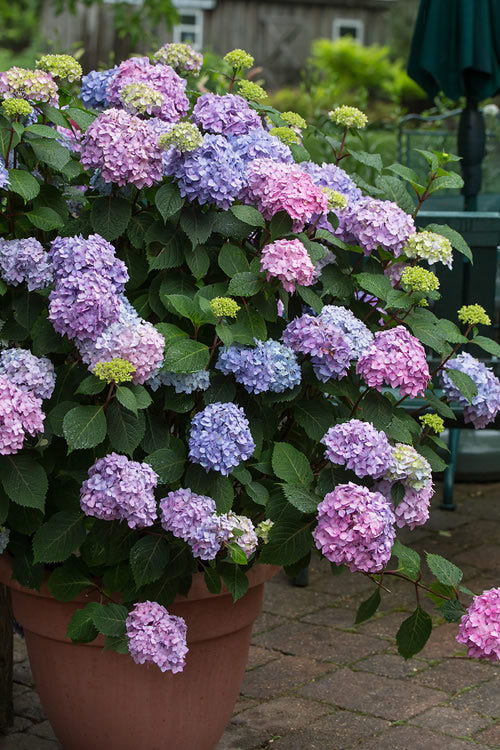
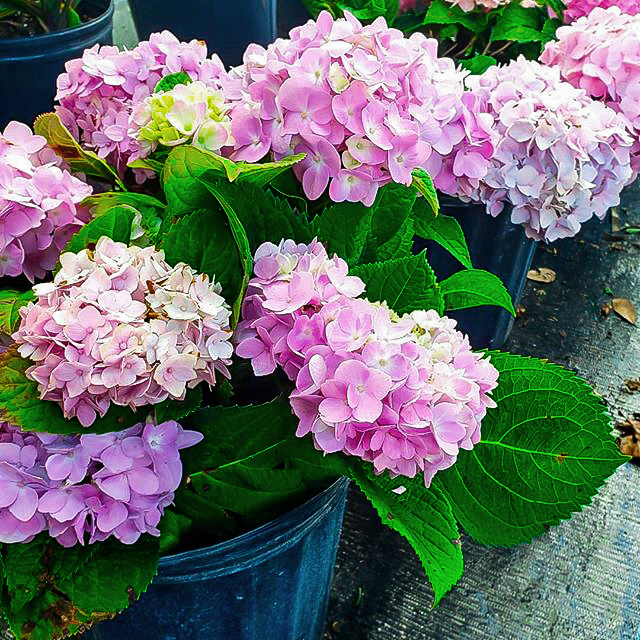 This hydrangea is named for its small, penny-sized flowers. It is a versatile plant that can be grown in full sun or partial shade.
Annabelle Hydrangea
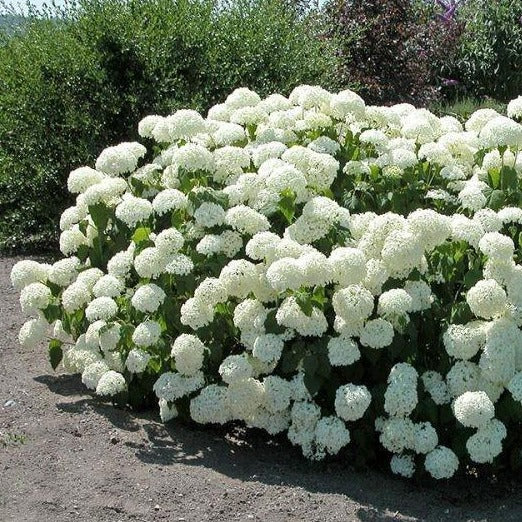
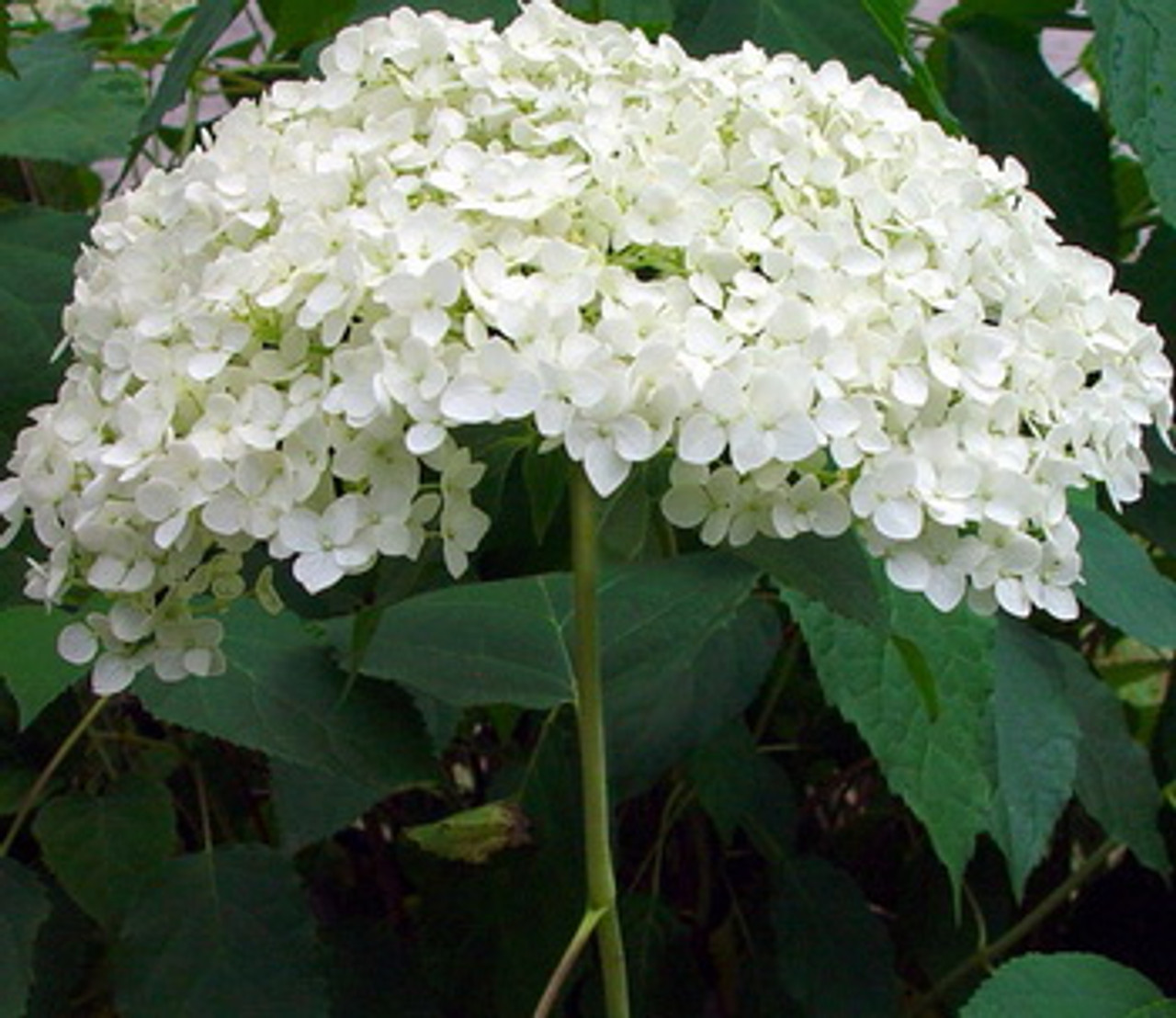 This is one of the most popular dwarf hydrangeas. It is known for its large, white flowers that bloom in the summer. Annabelle hydrangeas are easy to care for and are a great addition to any garden.
Limelight Hydrangea
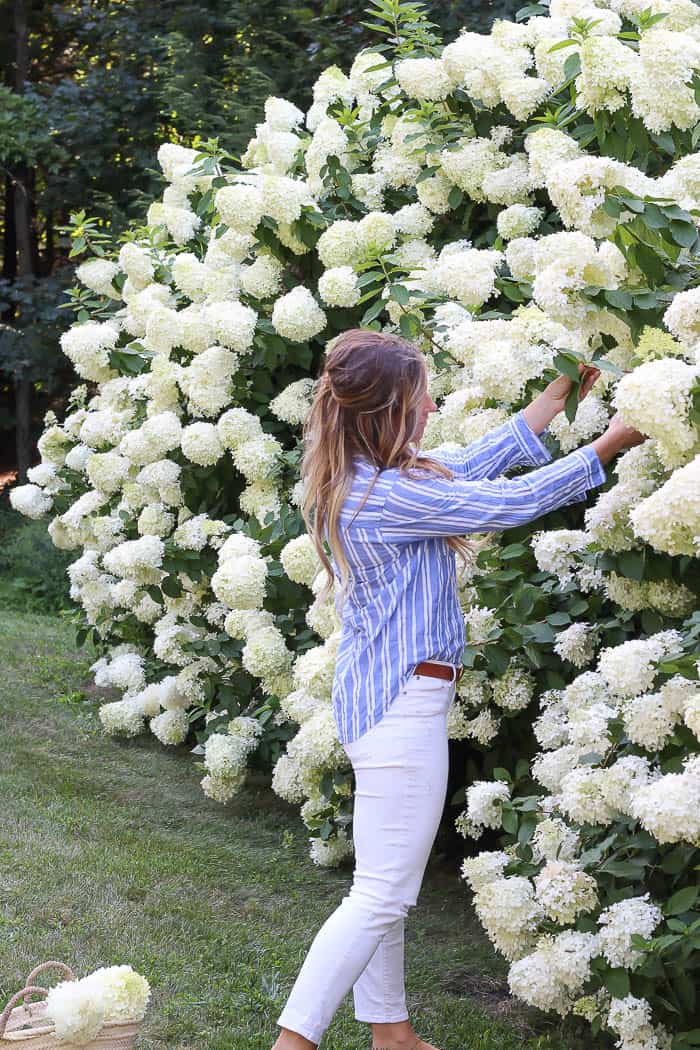
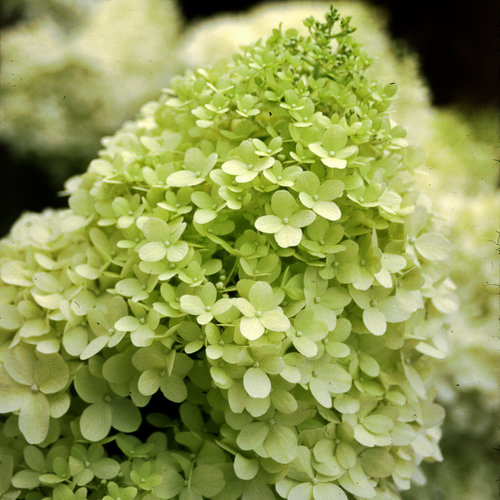 This hydrangea is similar to Little Lime Hydrangea, but it has larger flowers that are a brighter lime green color. Limelight hydrangeas are also a bit more cold-hardy than Little Lime Hydrangeas.
Serrata Hydrangea

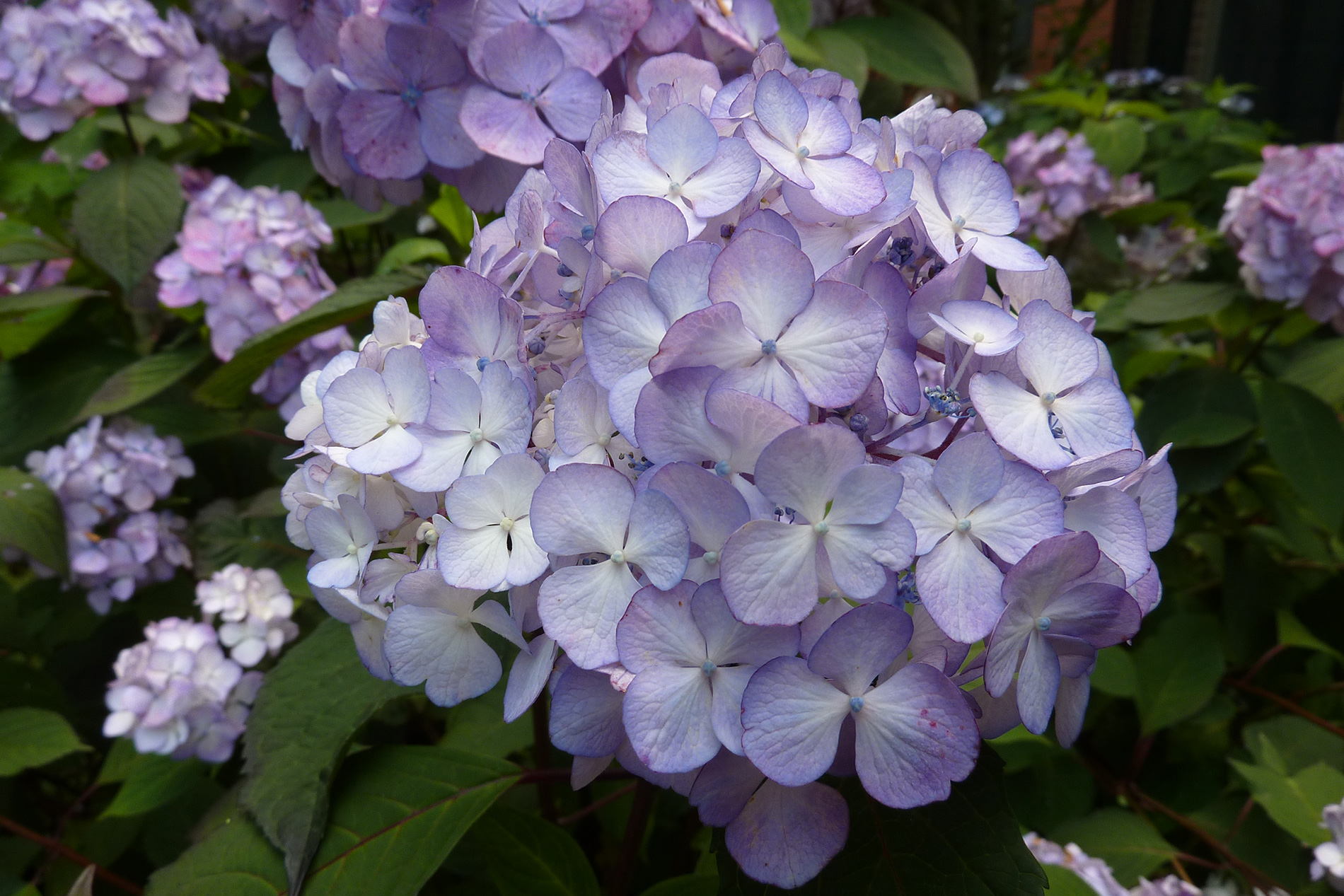 This hydrangea is known for its serrated leaves and its small, pink flowers. It is a hardy plant that can be grown in a variety of conditions.

Post a Comment for "Petite Hydrangeas: The Perfect Smallspace Plant"